Bass lessons at Garage à musique: it's going to be wild!
You can listen to a song a hundred times without giving it much thought, then one day you finally hit the bassline and everything changes. From then on, you never hear anything the same way again. Good news: a beginner with the passion can progress at lightning speed. The secret is to build good habits from day one and choose a learning environment that truly supports consistency.
Contact us

Why is the bass so catchy?
The bass gives it a special power: it sets the pace. Two well-placed notes can give a chorus room to breathe. You can deliver a solid verse, or you can build tension without even changing chords.
It's also the best way to get started playing real music. You feel the pulse directly in your body. You learn to listen to the drums, then to "stick" with the bass drum (the kick). Quickly, you understand that a simple line, played with heart, is often better than a bunch of random notes.
And above all, the bass teaches discipline in a satisfying way. Every little technical move you make immediately translates into a more solid groove, a rounder sound, and an audible confidence.
Individual music lessons at Garage à musique
A one-on-one music lesson provides a precise reflection. The teacher sees everything: posture, unnecessary tension, a stiff right hand, buzzing notes, a shaky rhythm. In just a few minutes, a detail can be corrected that would have taken weeks to unravel on your own.
In the case of the Music Garage, the training emphasizes practical application to prepare students to perform in a band. Progress on bass isn't just about fast fingers, but also about technical mastery. It's a combination of rhythm, tone, ear training, and musical vocabulary. When these pillars work together, everything becomes easier.
Now we're getting to the heart of the matter. These are the foundations of the profession. To ensure these criteria resonate with both a parent and a young aspiring bassist, we'll use language that reflects the studio and practical experience.
The essentials for choosing your course (the ones that are worth their weight in gold)
1
The Rhythm
Having clear subdivisions, being tight with the metronome, and being able to lock in solidly with the kick drum. If you don't budge an inch, you've won.
The Technique: A relaxed left hand, a right hand that keeps the rhythm, clean muting to avoid muddiness, and string changes without creating background noise.
2
Practical Harmony
Mastering triads and then basic chords, understanding degrees, and then knowing how to build intelligent bass lines starting from fundamentals and then target notes.
3
The Sound
An attack that has front-end power, good dynamics, even volume, then knowing how to tweak your amp and equalization (EQ) to make it sound like a ton of bricks.
4
The play in context
Playing with a form, finding one's way within a structure, listening to others continuously.
The starter kit: simple, reliable, inspiring
You don't need a wall of amps to start, but you do need consistency. A well-tuned bass is a silent teacher: it helps you instead of fighting you.
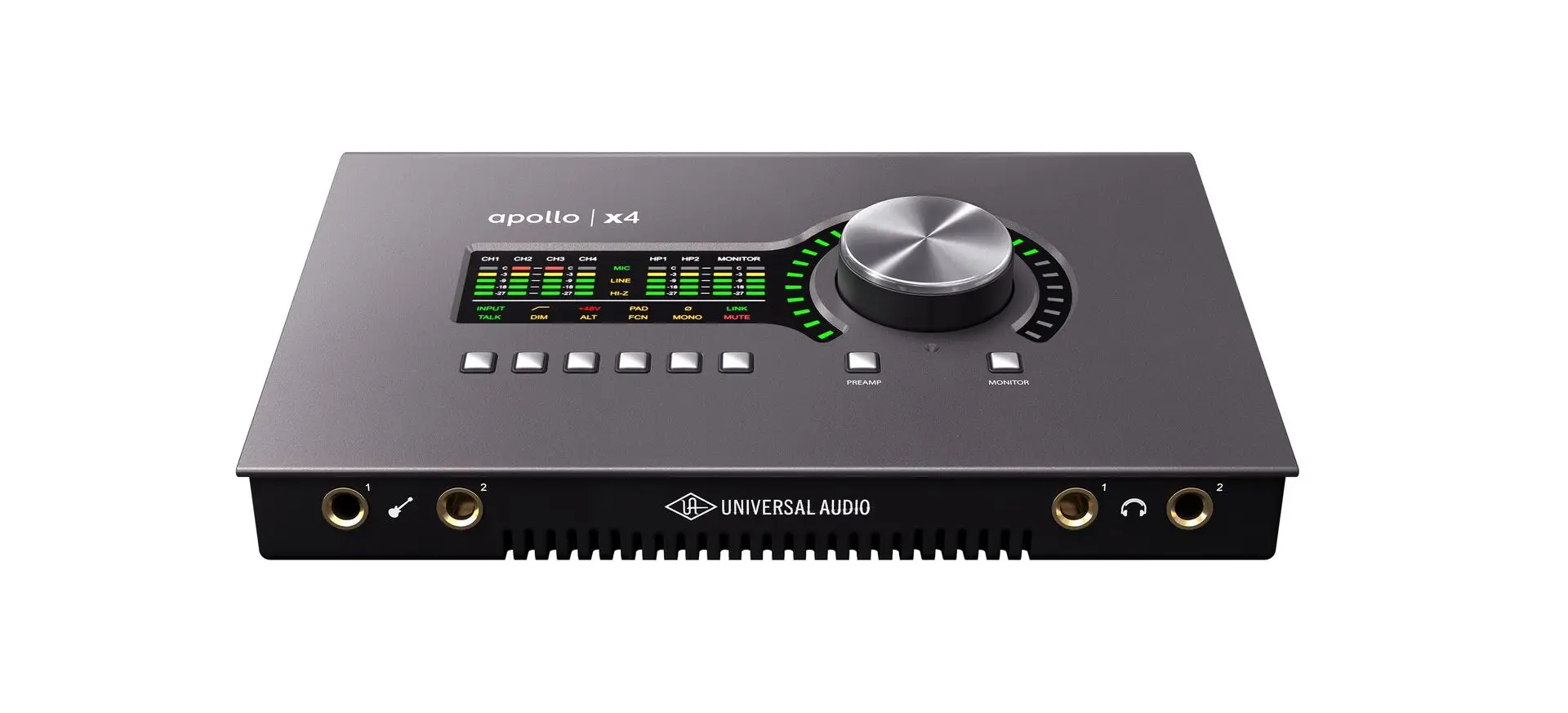
Before investing a lot, look for an instrument that is comfortable, with a well-adjusted action and a sound that doesn't distort unnecessarily. A small, practical amp or a headphone solution with an interface may be enough to practice for long periods without disturbing the neighbors.
Several criteria help to avoid false starts:
- Handle comfort: if your left hand is tired after two minutes, practice becomes rare.
- Setup: a poorly adjusted bass will throw a wrench in your plans, even with the best intentions.
- Metronome: not glamorous, but it's the best partner for a beginner.
- Tuner: practicing out of tune trains the ear to do anything. That's non-negotiable.
A short visit to a technician for a basic “setup”, when possible, is often more cost-effective than any gadget.
Bass lessons: a practical plan, reliable results
Here is a simple, reusable routine template that covers the essentials without overwhelming you:
- Metronome rhythm (5 minutes): quarter notes, eighth notes, then eighth notes with accents on 2 and 4 to make it swing.
- Technique and muting (5 to 10 minutes): alternating index and middle fingers, clean open strings, then a slow string changing exercise.
- Musical vocabulary (5 to 10 minutes): a scale, a triad, or a rhythmic pattern, but played in tempo and in its own right.
- Repertoire (10 minutes): an easy tune, worked on in sections, with a clear objective.
Free play (2 minutes): just for fun, without judgment.
Read, listen, transcribe: the method that changes the ear
Many beginners want "tabs and they need them urgently." Tablature helps, yes, but your ear is what makes you independent. Even a small active listening routine transforms the way you play.
Choose simple bass lines that have made history, and listen to them focusing on three things: the attack, the silence (because that's what makes the groove breathe), and how it blends with the drums.
Another tip: try singing your line before putting your fingers on the fretboard. If you can hum it, just imitate it.
When transcription intimidates you, scale back: two bars at a time. The bass is often built on repeated cells; that works in your favor.
Bass lessons: classic beginner mistakes
Many months of discouragement can be avoided with just a few judicious adjustments. Most of the time, the obstacles we encounter are simply a combination of physical tension and trying to disrupt our routine.
The most common pitfalls occur when you jump too quickly into overly complex lines, or when you practice without a sense of timing. There's also a more subtle trap: the quality of the sound. A bass whose strings aren't properly muted will always sound sloppy, even if the notes themselves are perfectly in tune.
Here are some effective fixes that are easy to apply in the next practice session:
- Tension: slow down the tempo until you can breathe and relax your shoulders.
- Precision: play fewer notes, but place them better, always with the metronome.
- Cleanliness: treat muting as a skill in its own right, not as a detail.
- Listen: put the drums at the center of your attention, even when you're playing alone.
We gain a lot by treating the bass as a control instrument: control of time, sound, and space.
Passion, when properly guided, becomes a lasting skill
You can recognize a bassist in development by one detail: they seek the "right role" before seeking the spotlight. This inner approach makes learning surprisingly enjoyable, because every improvement immediately benefits the music.
With a good music course, the bass quickly becomes more than just an instrument. It's a way of thinking about time, of supporting others, and of building a musical confidence that carries with it everywhere, tune after tune.